What Is Honeypot Protection in WordPress Security? How It Detects and Traps Attackers

What Is Honeypot Protection in WordPress Security?
Honeypot protection is a deceptive security mechanism designed to lure malicious bots, fake login attempts, and automated attackers into controlled traps before they can reach your real website infrastructure. In WordPress security, a honeypot works by placing hidden decoy fields, fake vulnerabilities, or invisible entry points in strategic locations such as login forms, authentication layers, and exposed request paths. When a bot or attacker interacts with one of these traps, the firewall immediately identifies suspicious behaviour and blocks the threat before it can trigger a brute force attack, credential stuffing attempt, spam injection, or unauthorized access event. For businesses running WordPress websites, honeypot protection adds a proactive layer of WordPress firewall protection that helps detect hostile activity early, reduce attack surface exposure, and strengthen the overall integrity of your website environment.
How Honeypot Protection Works on a WordPress Website
Honeypot protection works by creating deceptive entry points that appear legitimate to malicious bots and automated attackers, while remaining invisible to real users. Because normal visitors never interact with these hidden traps, any trigger is treated as a strong indicator of hostile behaviour. This allows your WordPress firewall to identify suspicious activity early, isolate the threat, and stop it before it reaches sensitive parts of your website.
Decoy Fields Are Deployed
Hidden form fields, fake vulnerabilities, or deceptive login traps are placed inside key areas of the WordPress environment. These decoys are designed to appear attractive to bots scanning for exposed paths, weak forms, or exploitable entry points.
Malicious Activity Is Triggered
Automated scripts, brute force tools, and hostile crawlers often interact with these traps because they cannot distinguish between a real entry point and a deceptive one. That interaction immediately signals suspicious intent and identifies the request as malicious.
Threats Are Flagged and Blocked
Once a honeypot is triggered, the firewall can block the source IP, rate-limit the session, deny further requests, or escalate the event for deeper inspection. This helps stop brute force attacks, spam bots, and unauthorized intrusion attempts before they affect your live WordPress website.
Why Honeypot Protection Matters for WordPress Security
WordPress websites are constantly targeted by automated bots, brute force tools, credential stuffing scripts, and reconnaissance crawlers searching for weak entry points. Honeypot protection matters because it helps expose malicious intent before those threats can reach sensitive login areas, forms, or application layers. Instead of waiting for a visible attack to escalate, a WordPress firewall can use deceptive traps to identify hostile behaviour early and reduce unnecessary risk across the site.
It Exposes Bots Faster
Malicious scripts often scan and interact with hidden fields, fake paths, or deceptive login targets that normal visitors never see. That makes honeypot protection an effective early-warning system for WordPress bot protection.
It Reduces Brute Force Pressure
Honeypots help catch automated login abuse before repeated authentication attempts consume server resources or create noise inside the security stack. This strengthens brute force attack protection without adding friction for real users.
It Protects Forms and Entry Points
Contact forms, login pages, and exposed request handlers are common targets for spam bots and intrusion tools. Honeypot traps help defend these areas by identifying suspicious interactions before they reach the live workflow.
It Improves Firewall Intelligence
Every honeypot trigger gives the firewall a stronger signal that a request is hostile. That intelligence can be used to block IPs, rate-limit abusive sessions, and strengthen the overall accuracy of your WordPress firewall protection.
Key Benefits of Honeypot Security for WordPress Websites
One of the biggest advantages of honeypot protection is that it creates a strong defensive signal without disrupting the experience for legitimate users. Because real visitors never see the trap, honeypot security adds a low-friction but highly effective layer of WordPress firewall protection that improves bot filtering, login security, and threat visibility across the site.
Invisible to Real Users
Honeypot fields and decoy paths are designed to remain hidden from genuine visitors, which means normal site activity continues uninterrupted. This allows website owners to strengthen security without introducing unnecessary friction into forms, logins, or customer journeys.
Strong Bot Detection Signal
Because legitimate users never interact with the trap, any trigger is a powerful indicator of suspicious behaviour. That makes honeypot protection extremely effective for identifying spam bots, credential stuffing tools, brute force scripts, and malicious crawlers.
Reduced Attack Surface Pressure
Honeypots help intercept hostile activity before it reaches critical application layers. This reduces unnecessary pressure on login pages, contact forms, and exposed request paths, while also helping the firewall preserve cleaner traffic patterns for analysis.
Better Firewall Decision-Making
Every trap interaction gives the security stack more confidence that a request is hostile. This can improve rate limiting, IP blocking, and rule escalation inside a WordPress firewall, making the overall defense layer more intelligent and more accurate.
Common Threats Honeypots Help Stop
WordPress websites face constant automated probing from malicious bots and attack scripts. Honeypot protection helps identify these hostile behaviors early by exposing bots that interact with deceptive traps. Once triggered, the firewall can isolate and block these threats before they escalate into serious security incidents.
Brute Force Login Attacks
Automated scripts repeatedly attempt to guess passwords by targeting WordPress login pages. Honeypot traps detect these malicious attempts early and block attackers before they can overwhelm authentication systems.
Credential Stuffing
Attackers use stolen username and password combinations to access accounts. Honeypot detection exposes these automated login attempts and stops them before access can be gained.
Spam Bots and Form Abuse
Many automated bots target contact forms, comment sections, and registration pages. Honeypot traps detect these scripts instantly and prevent large volumes of spam submissions.
Reconnaissance Crawlers
Before launching an attack, malicious crawlers scan websites looking for weaknesses. Honeypot traps reveal these scanning bots early so they can be blocked before further probing occurs.
Why Honeypot Protection Works Best With a WordPress Firewall
Honeypot traps are powerful on their own, but they become far more effective when combined with a WordPress firewall. A honeypot can expose malicious intent, while the firewall provides the enforcement layer that blocks, rate-limits, filters, and escalates hostile traffic before it reaches sensitive website components. This creates a stronger and more complete WordPress security strategy than either layer could provide alone.
Detection and Enforcement Work Together
Honeypots reveal suspicious behaviour, but the firewall turns that signal into action. Once a trap is triggered, the firewall can block the IP address, deny future requests, rate-limit abusive sessions, or escalate the event for deeper inspection.
Threat Intelligence Becomes More Accurate
A triggered honeypot provides a high-confidence signal that a request is hostile. When combined with firewall rules, IP reputation feeds, and behavioural analysis, that signal helps improve the accuracy of broader website security monitoring.
Critical WordPress Layers Stay Better Protected
Login pages, forms, authentication endpoints, and exposed request handlers are common targets for malicious automation. A firewall strengthens these areas by acting on honeypot triggers in real time and stopping suspicious traffic before it can escalate.
It Creates a More Complete Security Stack
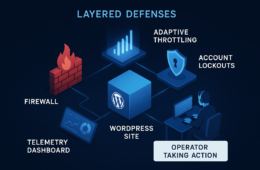
Premium security works best in layers. Honeypot deception, firewall enforcement, real-time monitoring, AI-powered threat detection, and global threat intelligence all work together to reduce exposure and strengthen the integrity of your WordPress website.
Frequently Asked Questions About Honeypot Protection
These are some of the most common questions businesses ask when exploring WordPress honeypot protection, bot filtering, and layered firewall security.
What is a honeypot in WordPress security?
A honeypot is a deceptive security mechanism that places hidden traps, fake fields, or decoy vulnerabilities inside a website to detect malicious bots and attackers. In WordPress security, these traps help identify suspicious behaviour before it reaches real login pages, forms, or application layers.
Does honeypot protection stop brute force attacks?
Honeypot protection can help stop brute force attacks by exposing automated login attempts before they escalate. When a malicious script triggers a deceptive field or fake path, the firewall can block or rate-limit the source immediately.
Is honeypot security visible to normal website visitors?
No. Honeypot traps are designed to remain invisible to legitimate users. Real visitors continue using the site normally, while malicious bots reveal themselves by interacting with hidden elements they should never touch.
Why combine honeypot protection with a firewall?
A honeypot detects hostile intent, while a WordPress firewall provides the enforcement layer. Together they create stronger protection by identifying suspicious behaviour early and converting that signal into immediate defensive action.
Need stronger WordPress firewall protection?
Our premium security stack combines honeypot intrusion protection, AI-powered threat detection, live global threat intelligence, and advanced firewall enforcement to block malicious activity before it reaches your website.
- Honeypot bot and intrusion traps
- AI-powered threat detection
- Global threat intelligence monitoring
- Advanced WordPress firewall protection
- Layered defense for login pages, forms, and entry points